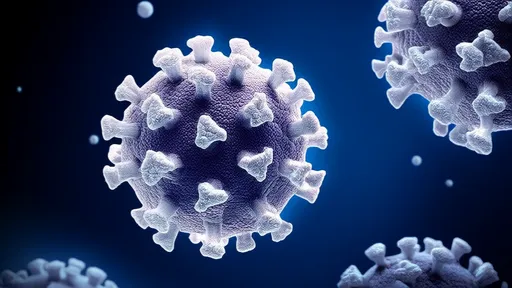
At an altitude of 20 kilometers, where the air thins and temperatures plummet, scientists have uncovered a thriving microbial ecosystem that challenges our understanding of life's boundaries. The stratospheric microbiome, a dynamic community of bacteria, fungi, and viruses, is rewriting textbooks on atmospheric biology while raising profound questions about global gene flow.
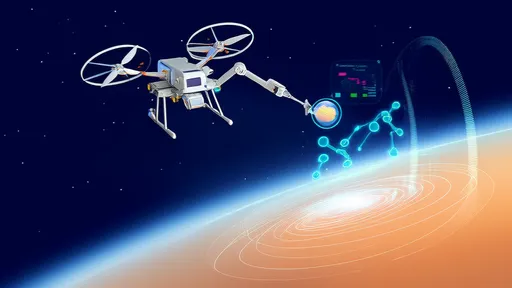
Recent sampling campaigns using high-altitude balloons and aircraft have revealed that Earth's upper atmosphere serves as a vast highway for microbial dispersal. These microscopic hitchhikers ride air currents across continents, carrying genetic material that may influence ecosystems thousands of miles from their origin. The discovery has ignited intense debate about the mechanisms enabling survival in such extreme conditions and the potential consequences for biosphere evolution.
Survival Strategies in the Sky
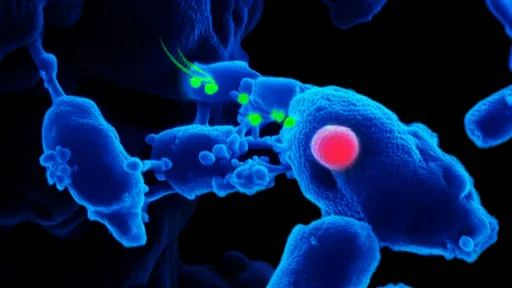
Microorganisms surviving at stratospheric altitudes employ extraordinary adaptations. Many form ultra-resistant spores shielded by pigmented compounds that absorb harmful UV radiation. Others enter dormant states, slowing metabolism to near-undetectable levels until favorable conditions return. Perhaps most remarkably, certain species actively metabolize trace atmospheric gases, suggesting previously unknown metabolic pathways evolved specifically for aerial existence.
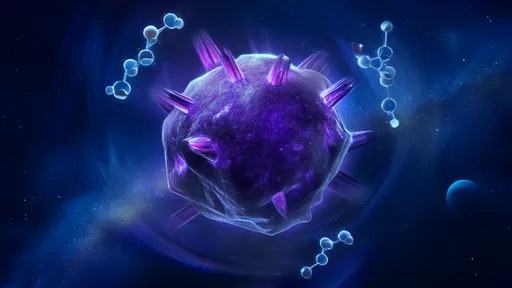
Genetic analysis of stratospheric samples reveals horizontal gene transfer occurring at unprecedented altitudes. Mobile genetic elements like plasmids appear to shuttle between different microbial species mid-flight, creating novel genetic combinations before deposition back to Earth's surface. This high-altitude genetic exchange may accelerate microbial evolution and complicate traditional models of biogeography.
The Atmospheric Genetic Reservoir
Scientists now recognize the stratosphere as a massive genetic library suspended above our heads. Microbial communities at different altitudes show distinct genomic signatures, with seasonal variations suggesting dynamic population shifts. During dust storms or volcanic eruptions, terrestrial microbes get catapulted into the stratosphere where they can remain suspended for years, potentially exchanging DNA with resident atmospheric organisms.
The implications for antibiotic resistance are particularly concerning. Researchers have detected resistance genes in stratospheric bacteria matching those found in clinical pathogens, raising the possibility that the upper atmosphere serves as both a mixing vessel and long-term reservoir for resistance determinants. This aerial gene pool could reseed resistance traits back to surface environments worldwide.
Climate Connections and Future Directions
Stratospheric microbes may play underappreciated roles in atmospheric chemistry and climate regulation. Certain species demonstrate ice-nucleating properties that could influence cloud formation patterns, while others participate in nitrogen cycling at altitudes previously considered biologically inert. As climate change alters atmospheric circulation patterns, the distribution and composition of high-altitude microbiomes may shift with unpredictable consequences.
Ongoing research aims to map the stratospheric microbiome's functional diversity using advanced metagenomic techniques. Scientists are particularly interested in whether atmospheric gene transfer contributes to rapid microbial adaptation to environmental stressors. Future studies will explore potential links between stratospheric microbial activity and phenomena like ozone depletion or high-altitude precipitation patterns.
The discovery of vibrant microbial life in Earth's stratosphere forces us to reconsider the boundaries of our biosphere. These high-flying genes remind us that life persists in the most unexpected places, constantly reshaping itself through aerial genetic exchanges that may have shaped evolution since life first took to the air.

By /Jul 28, 2025

By /Jul 28, 2025

By /Jul 28, 2025
By /Jul 28, 2025

By /Jul 28, 2025

By /Jul 28, 2025

By /Jul 28, 2025

By /Jul 28, 2025

By /Jul 28, 2025
By /Jul 28, 2025
By /Jul 28, 2025
By /Jul 28, 2025
By /Jul 28, 2025

By /Jul 28, 2025

By /Jul 28, 2025
By /Jul 28, 2025
By /Jul 28, 2025

By /Jul 28, 2025
By /Jul 28, 2025

By /Jul 28, 2025